Behind the Scenes of
I speak of Wrongs
When I set out to write a new book, I thought I was going to write a biography of Elizabeth Cady Stanton.
I’d been taught that Elizabeth was “the founder of the women’s movement.” I also knew that she had admired Mary Wollstonecraft, one of the subjects of my last book (Romantic Outlaws), and so it seemed like the obvious next step.
When I began researching Elizabeth’s life, I was thrilled to find that she helped found a universal rights organization after the Civil War. She seemed like a hero, a woman who believed in justice and human rights for all, not just white women.
But I was quickly disillusioned.
When Elizabeth found out that the Fifteenth Amendment (1870) would legalize the vote for Black men, not white women, she was enraged. She stormed off from the equal rights association and started her own organization, dedicated to the rights of women -- white women. She wrote racist screeds against Black men, arguing that white women were educated and “civilized” while Black men were “savage” and illiterate. Far from being the founder of a reform movement, she was effectively its destroyer as after she left the universal rights movement, it fell apart.
This was such a disheartening story that I dropped the idea of writing Elizabeth’s biography. Instead, I became fascinated by two women who protested against Elizabeth’s racist tactics: Lucy Stone, a white abolitionist and women’s rights advocate and Frances Harper, a Black speaker and writer. Not only did these two women denounce Elizabeth, they maintained their commitment to universal human rights. They traveled the country speaking out against injustice, and their words were so inspirational that I decided to write their story, the story of the fight for universal human rights: I Speak of Wrongs, Friendships, Feuds, and the Origins of the Women’s Movement.
Although this book is set in the past, I wrote it for the modern reader. Lucy and Frances offer us powerful examples of how to combat hatred. If we want to heal this nation, we need to hear their voices.
The Characters
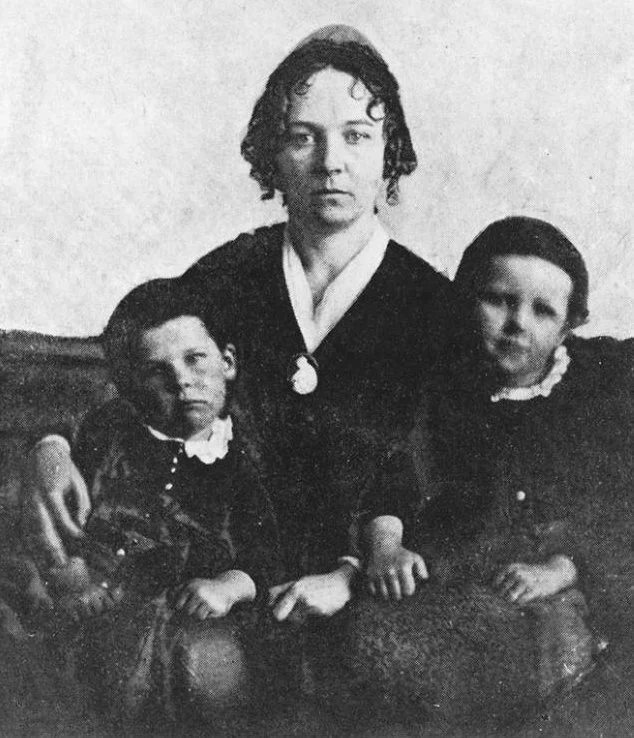
Elizabeth Cady Stanton
(1815-1902)
Brilliant, wealthy, self-indulgent, witty, and charming, Elizabeth was the self-appointed historian of the woman’s movement. She credited herself with the movement’s achievements, leaving out the contributions of Lucy Stone and Frances Harper, and taking credit for “the first” woman’s convention.
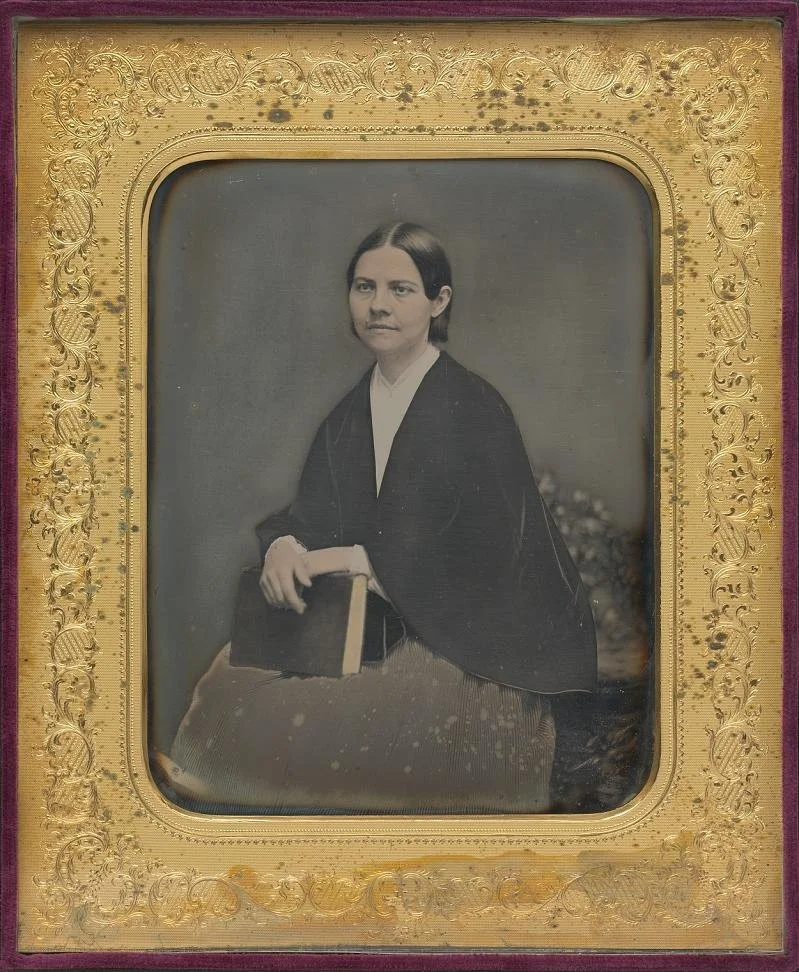
Lucy Stone
(1818-1893)
Self-disciplined, indefatigable, principled, and charismatic. One of the most popular speakers on the abolitionist talk circuit, she was the organizer of the first national woman’s convention in 1850. She was a close ally and trusted colleague of Elizabeth’s until Elizabeth opposed voting rights for Black men.
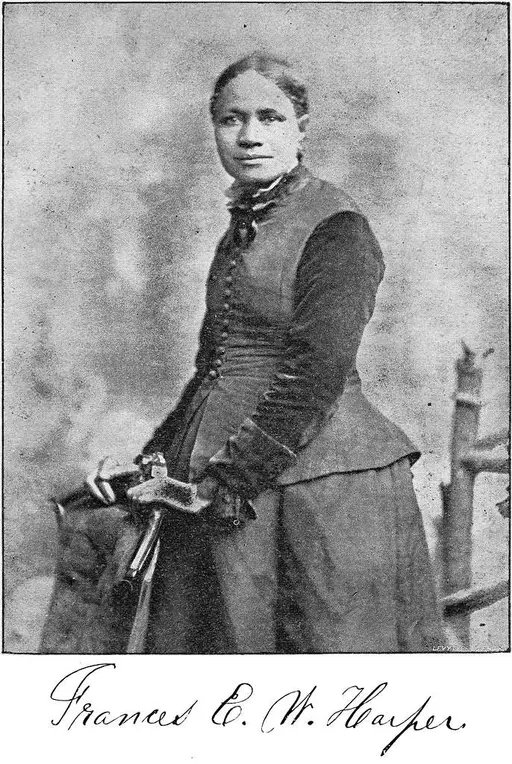
Frances Harper
(1825-1911)
Born free, Frances overcame obstacles to become a famous poet, novelist, and speaker. Her ambitious novel, Iola Leroy (1892) raised topics such as inter-racial relationships, the education of women, the theme of “passing,” and the toxic effects of racism on individuals and society. In 1858, ninety-seven years before Rosa Parks, she refused to give up her seat on a segregated trolley car. She co-founded the National Association for Colored Women (1896) where her advocacy for Black women’s civil rights could take center stage.
Traveling the Story
To research this book, I spent a lot of time on the road. I went to the deep South, where Frances travelled after the Civil War and studied her neighborhood in Philadelphia. I also tracked down the land she bought in Ohio and travelled to Canada to visit the sites settled by the self-liberated and to see the paths they took to freedom.
The Travels of Frances Harper
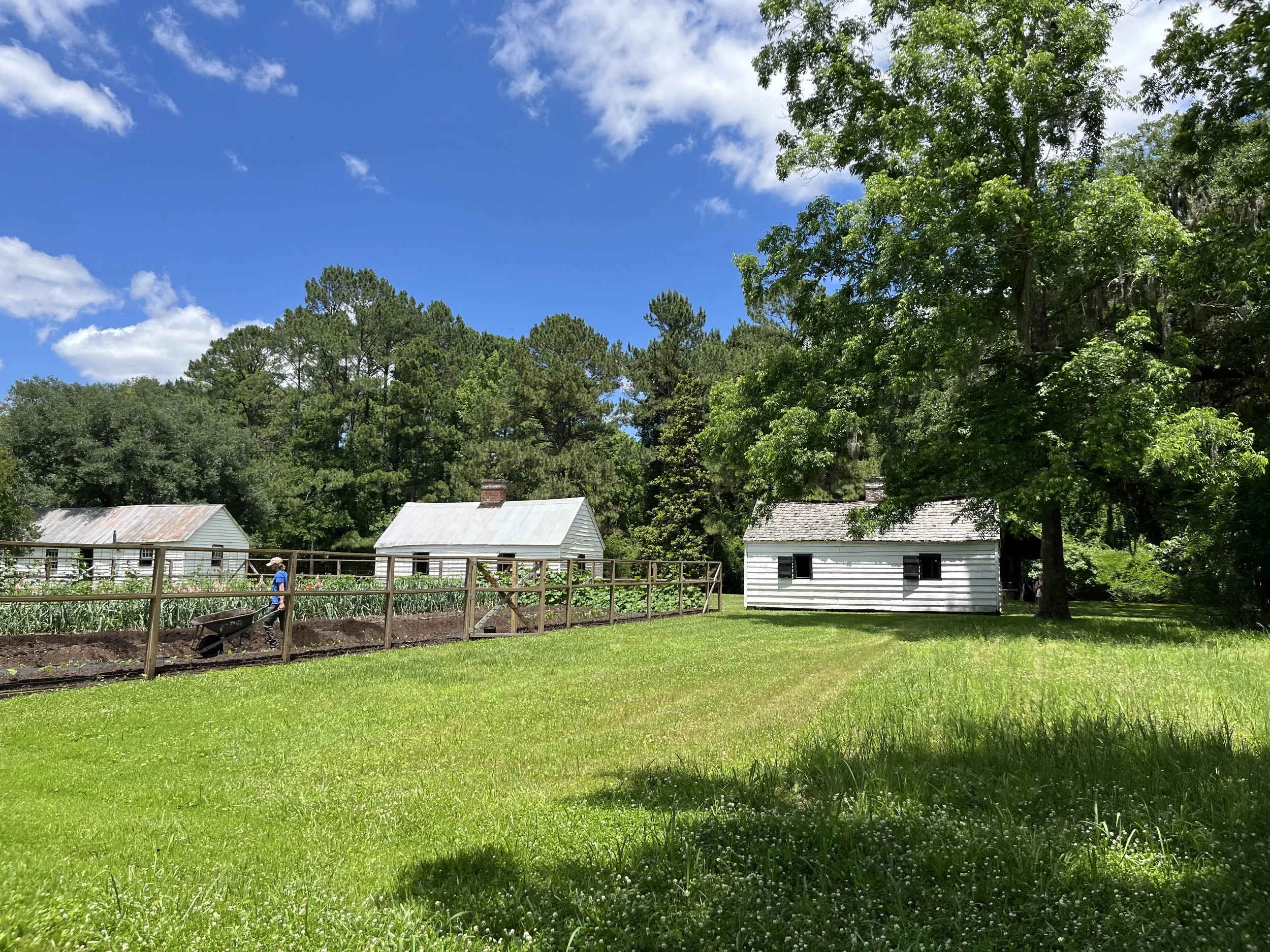
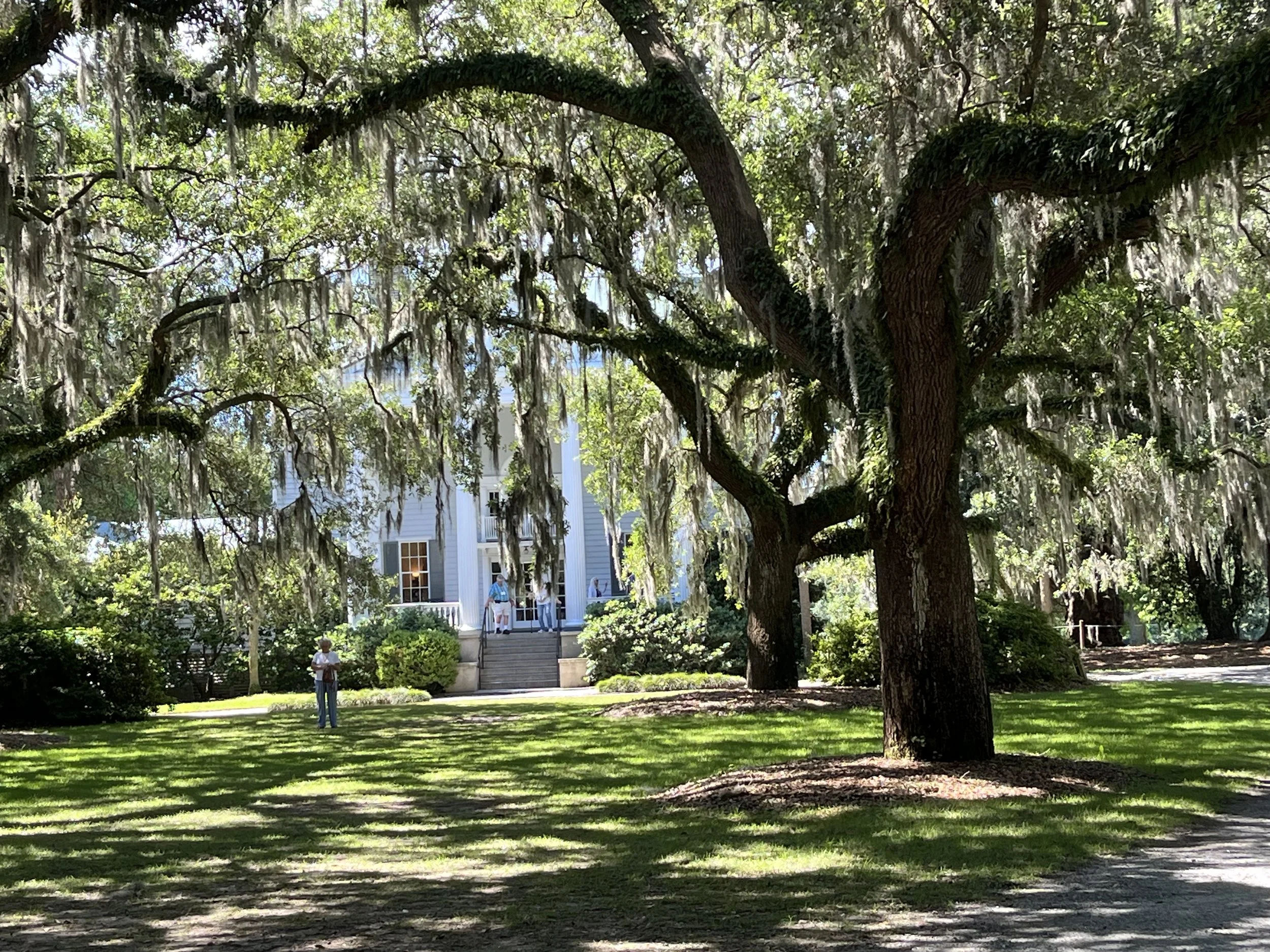
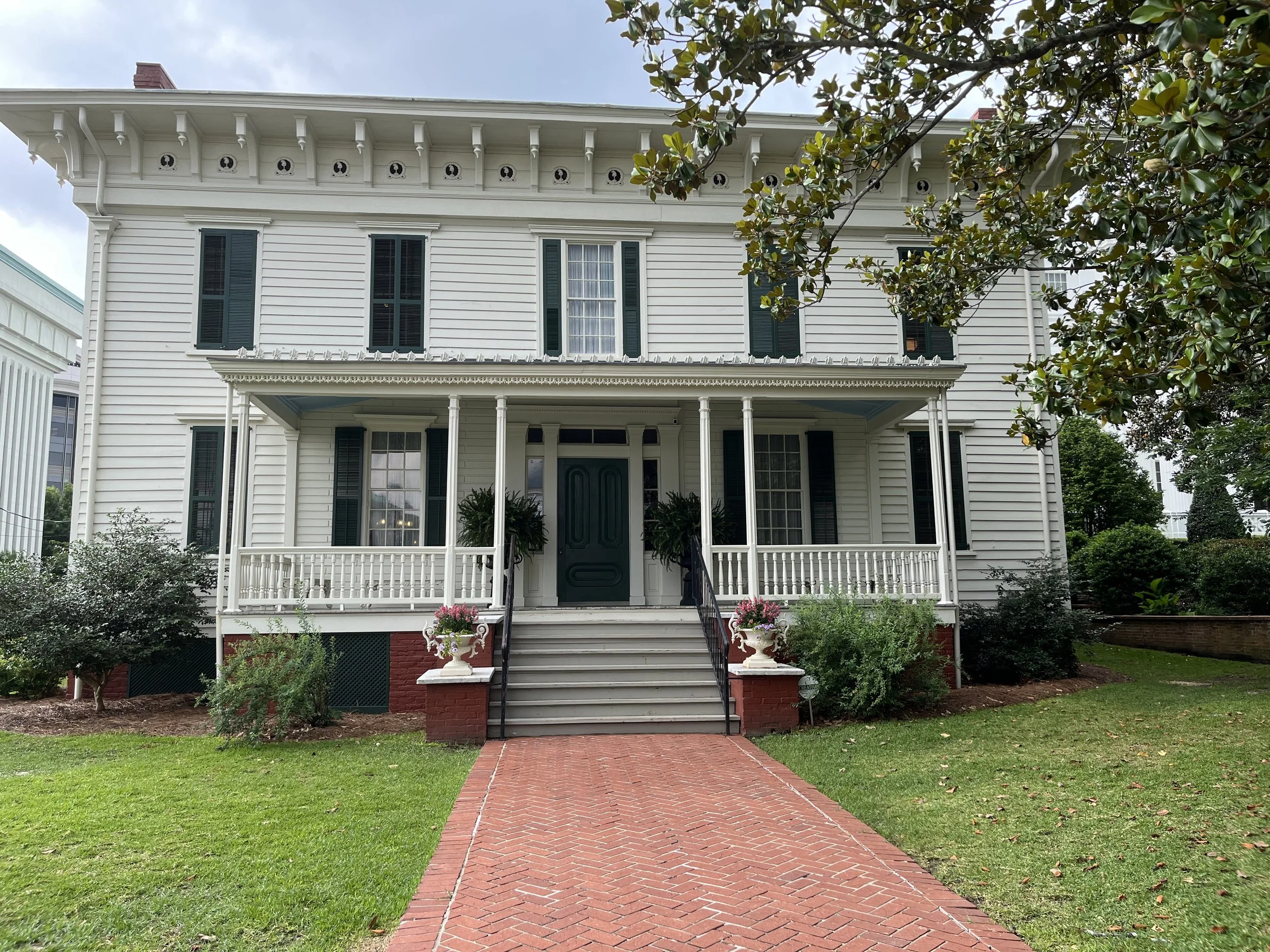
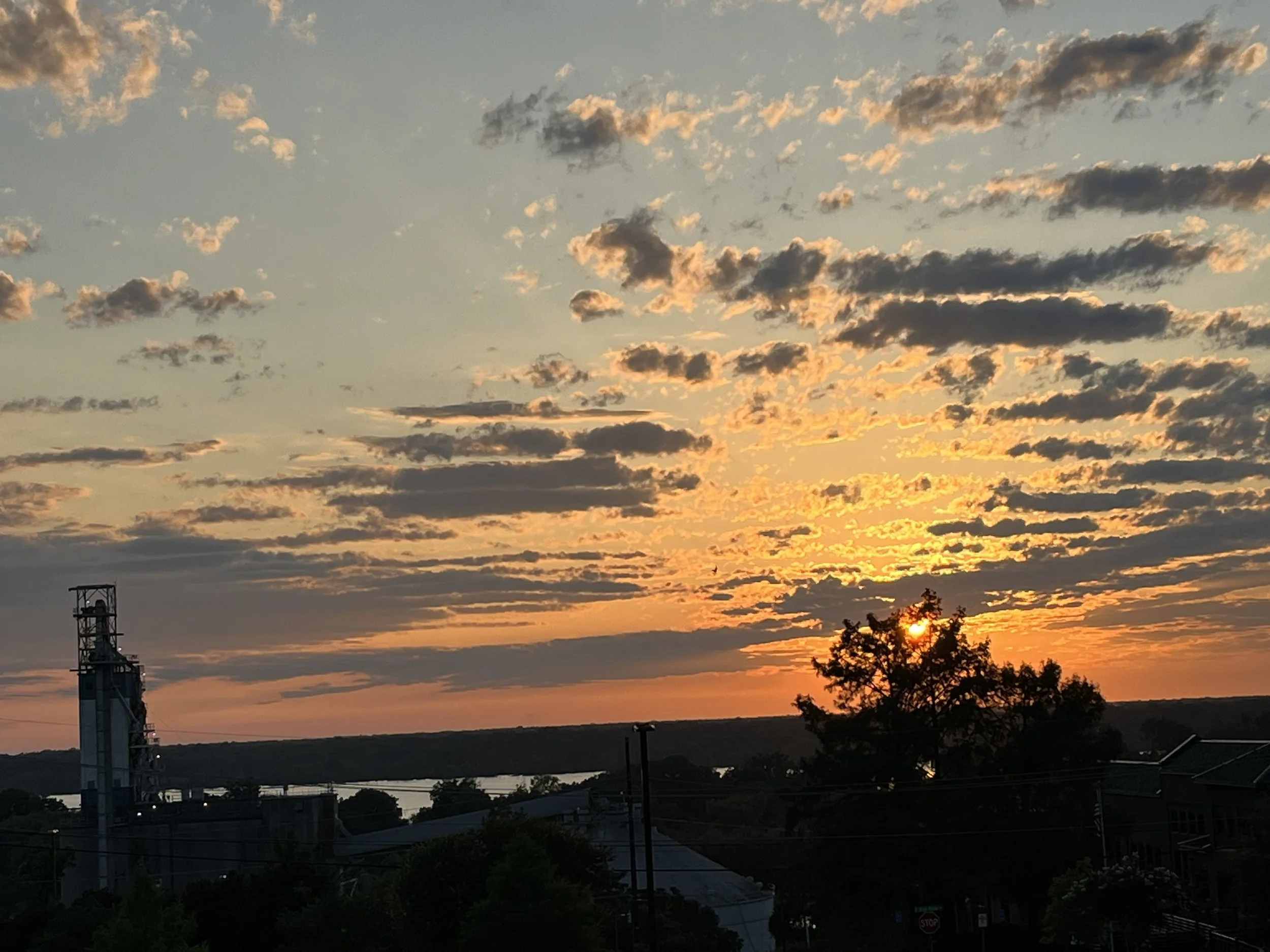


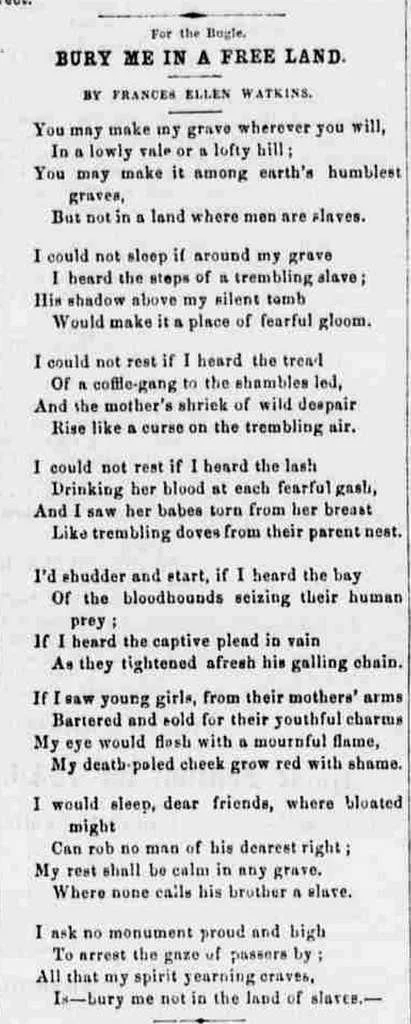
For Lucy, I traveled to West Brookfield, MA and Oberlin to visit “The Ladies Grove” at Oberlin College, where Lucy snuck out to practice her public speaking skills.
For Elizabeth, I went to Seneca Falls, which is now part of a woman’s history park run by the National Park Service and Waterloo, New York.
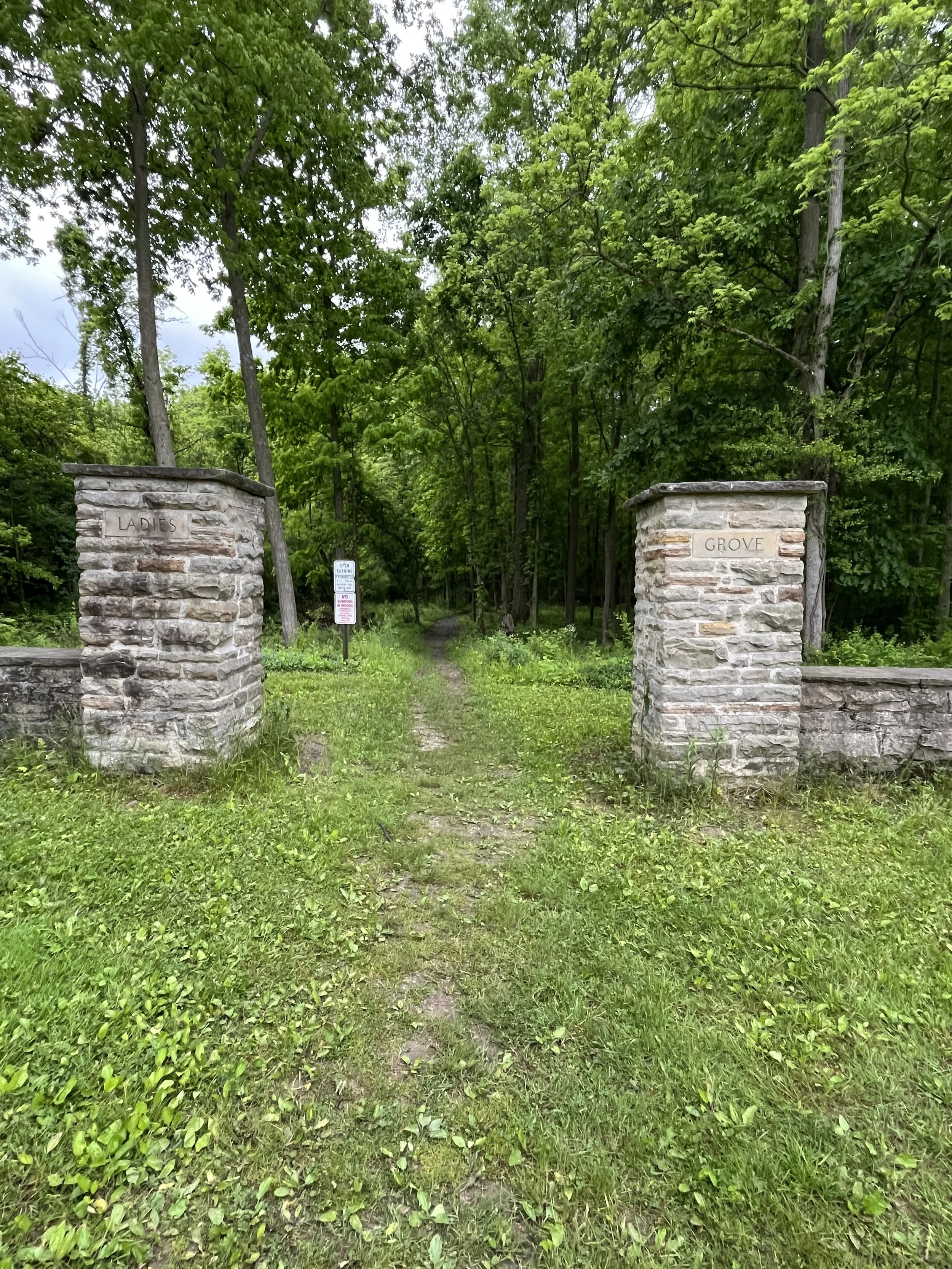
“The Ladies Grove” at Oberlin College
What Remains:
Comparing their Homes
Stanton’s house is part of a National Park, Frances’s house is privately owned, and Lucy’s house burned down.
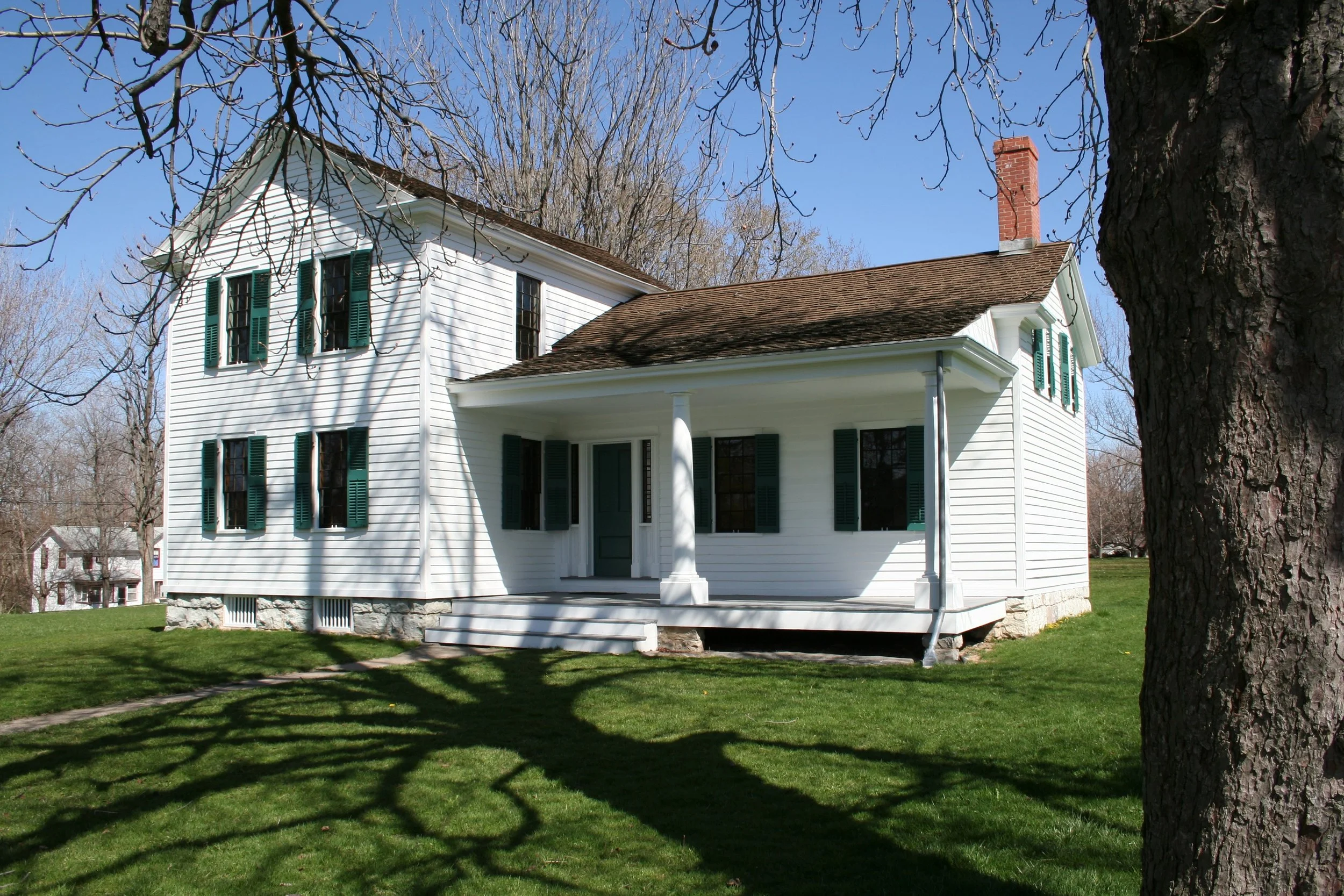
Elizabeth Cady Stanton's house, preserved by the National Park Service, Seneca Falls, New York.
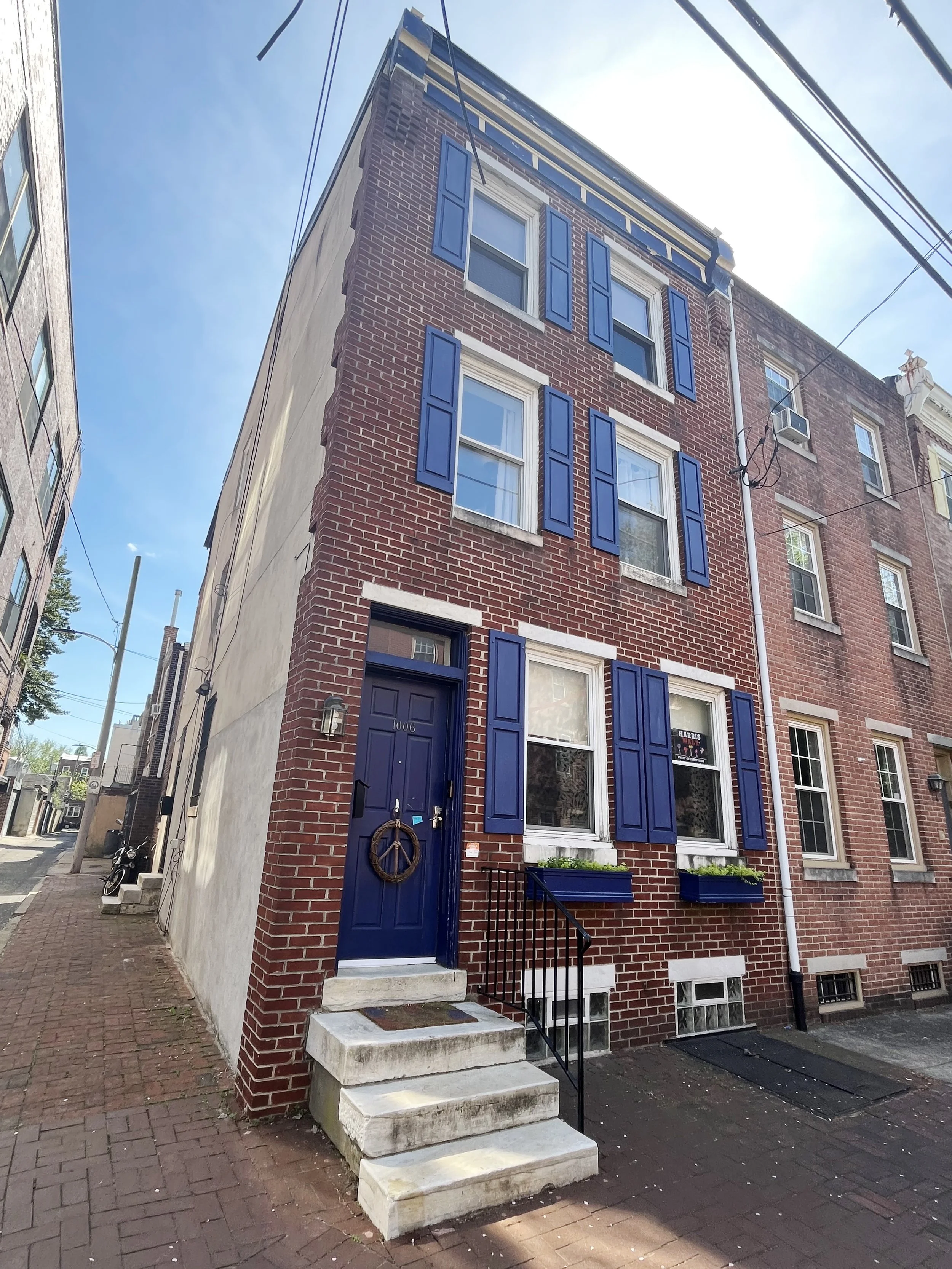
Frances's home on Bainbridge Street in Philadelphia (with its blue door). It is privately owned.
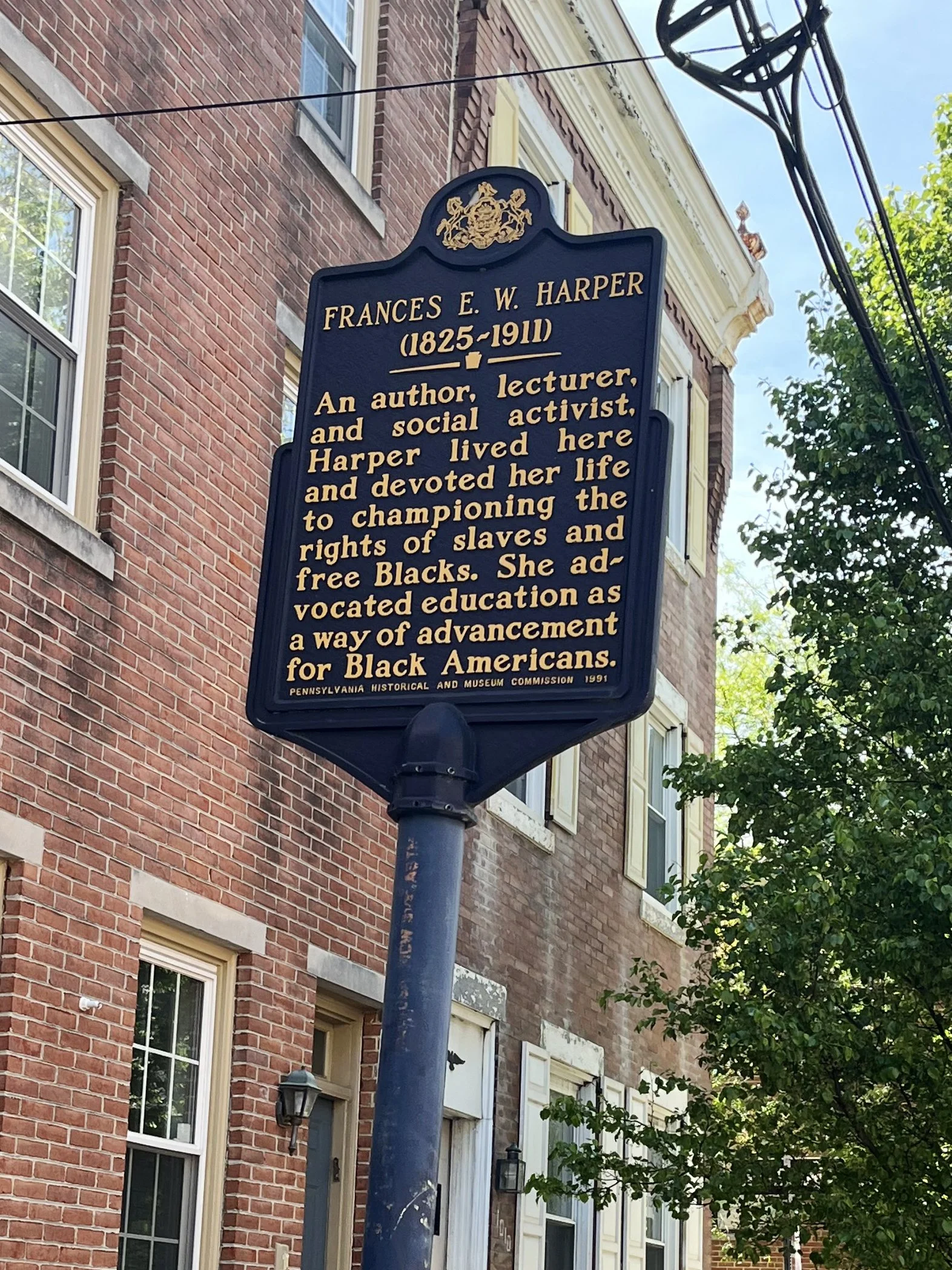
The plaque outside of Frances's house.
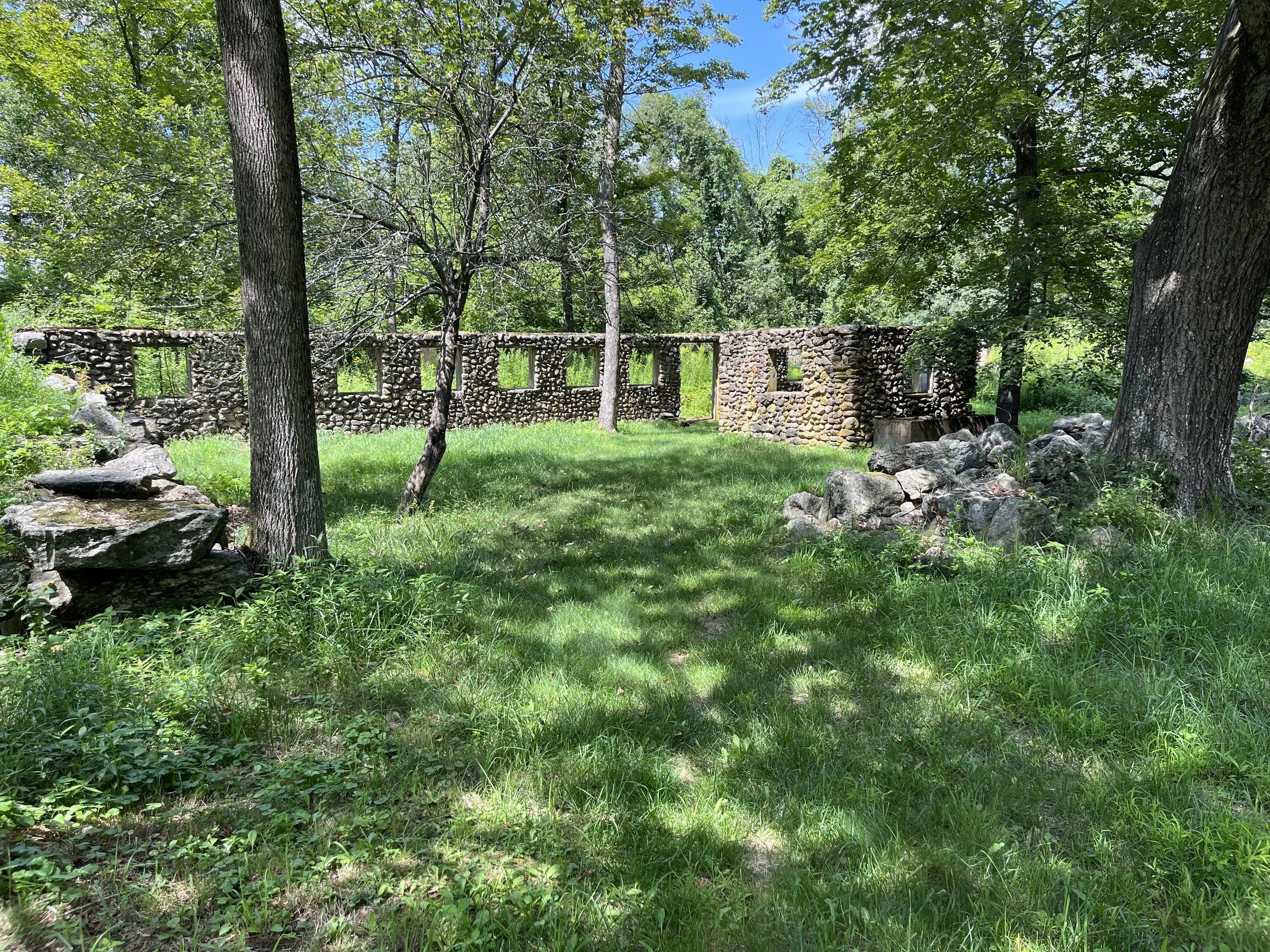
Ruins of Lucy Stone's childhood home in West Brookfield, MA.